Inflammation is a natural response of the body to injury or infection, but chronic inflammation can contribute to various health issues, including heart disease, arthritis, and diabetes. Incorporating anti-inflammatory superfoods into your diet can help reduce inflammation naturally, promoting overall health and well-being. Below is a list of the top 15 superfoods known for their potent anti-inflammatory properties, along with explanations of why they are effective and how they work to combat inflammation.
Top 15 Superfoods to Fight Inflammation Naturally
-
Turmeric
Why it’s needed: Turmeric contains curcumin, a compound with powerful anti-inflammatory and antioxidant properties.
How it fights inflammation: Curcumin inhibits pro-inflammatory enzymes like COX-2 and reduces cytokines, which are inflammatory signaling molecules, helping to alleviate chronic inflammation.
-
Blueberries
Why it’s needed: Rich in antioxidants, particularly anthocyanins, blueberries neutralize free radicals that trigger inflammation.
How it fights inflammation: Anthocyanins block inflammatory pathways and reduce oxidative stress, protecting cells from inflammation-related damage.
-
Fatty Fish (e.g., Salmon, Mackerel, Sardines)
Why it’s needed: Fatty fish are high in omega-3 fatty acids, which are essential for reducing inflammation.
How it fights inflammation: Omega-3s, specifically EPA and DHA, reduce the production of inflammatory eicosanoids and cytokines, balancing the body’s inflammatory response.
-
Leafy Greens (e.g., Spinach, Kale)
Why it’s needed: Leafy greens are packed with vitamins, minerals, and antioxidants like vitamin K and flavonoids.
How it fights inflammation: These compounds reduce oxidative stress and inhibit inflammatory markers, supporting a healthy immune response.
-
Ginger
Why it’s needed: Ginger contains gingerol and other bioactive compounds with anti-inflammatory effects.
How it fights inflammation: Gingerol suppresses pro-inflammatory pathways, such as NF-kB, reducing inflammation in conditions like arthritis and muscle pain.
-
Olive Oil
Why it’s needed: Extra virgin olive oil is rich in oleocanthal, a compound with anti-inflammatory properties similar to ibuprofen.
How it fights inflammation: Oleocanthal inhibits COX enzymes, reducing the production of inflammatory molecules and protecting against chronic inflammation.
-
Walnuts
Why it’s needed: Walnuts are a great source of omega-3 fatty acids and polyphenols, both of which combat inflammation.
How it fights inflammation: Omega-3s and polyphenols reduce inflammatory cytokines and oxidative stress, supporting heart and brain health.
-
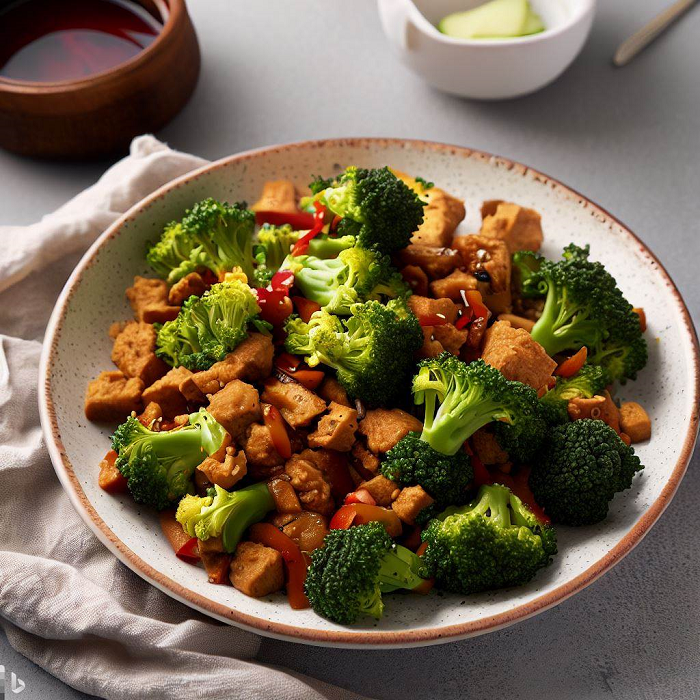
Broccoli
Why it’s needed: Broccoli contains sulforaphane, a potent anti-inflammatory and antioxidant compound.
How it fights inflammation: Sulforaphane activates the Nrf2 pathway, which reduces inflammation by decreasing oxidative stress and inflammatory proteins.
-
Avocados
Why it’s needed: Avocados are rich in monounsaturated fats, fiber, and antioxidants like vitamin E.
How it fights inflammation: These nutrients reduce inflammatory markers like C-reactive protein (CRP) and support a healthy gut, which is linked to lower systemic inflammation.
-
Green Tea
Why it’s needed: Green tea contains catechins, particularly EGCG, which have strong anti-inflammatory and antioxidant effects.
How it fights inflammation: EGCG inhibits inflammatory pathways and reduces the production of pro-inflammatory cytokines, protecting against chronic diseases.
-
Chia Seeds
Why it’s needed: Chia seeds are high in omega-3 fatty acids, fiber, and antioxidants.
How it fights inflammation: Omega-3s and antioxidants reduce inflammatory markers, while fiber promotes gut health, which helps regulate systemic inflammation.
-
Beets
Why it’s needed: Beets are rich in betalains, pigments with potent anti-inflammatory and antioxidant properties.
How it fights inflammation: Betalains reduce the activity of inflammatory enzymes and protect against oxidative stress, lowering inflammation levels.
-
Garlic
Why it’s needed: Garlic contains sulfur compounds like allicin, which have anti-inflammatory and immune-boosting properties.
How it fights inflammation: These compounds inhibit pro-inflammatory cytokines and enhance the body’s ability to fight inflammation-related conditions.
-
Berries (e.g., Strawberries, Raspberries)
Why it’s needed: Berries are loaded with flavonoids and vitamin C, which combat inflammation and oxidative stress.
How it fights inflammation: Flavonoids reduce inflammatory markers and protect cells from damage, supporting overall health.
-
Dark Chocolate (70% or higher cocoa)
Why it’s needed: Dark chocolate is rich in flavanols, which have anti-inflammatory and antioxidant effects.
How it fights inflammation: Flavanols reduce inflammatory cytokines and improve blood vessel function, lowering inflammation linked to heart disease.
Conclusion
Incorporating these 15 superfoods into your diet can significantly help manage and reduce inflammation naturally. By targeting inflammatory pathways, neutralizing free radicals, and supporting overall health, these foods offer a delicious and effective way to promote well-being. Combine them with a balanced lifestyle for optimal results in fighting chronic inflammation.